

Most brands invest heavily in their product. Far fewer invest in how that product is presented once it hits the store floor. The display is the last salesperson in the room, and for most brands, it's doing the job untrained.
A generic fixture communicates nothing. It doesn't stop traffic, it doesn't tell the brand story, and it doesn't give the shopper a reason to engage. That gap between what a display could do and what it actually does is where ROI is lost, and it's more recoverable than most brands realize.
Element 1: Shopper-First Design
Above all, a display has to capture a shopper's attention and hold it. It has to get noticed, and then give someone a compelling reason to stop, engage, and explore. A custom display can capture attention in a number of ways, from utilizing unique, on-brand design elements, bold graphics and clear calls to action, while also creating an educational opportunity for the shopper to learn about a product's features and benefits. It places the product out in space, separate from the shelf, making it special and eliminating the opportunity for it to get lost in a sea of similar products.
The most effective displays get shoppers to touch the product, a significant step forward in the purchase process. Product demos take many forms: A/V integration, fit-sizing, simulating real-world use, and more. Each creates a hands-on moment that a standard shelf placement never could.
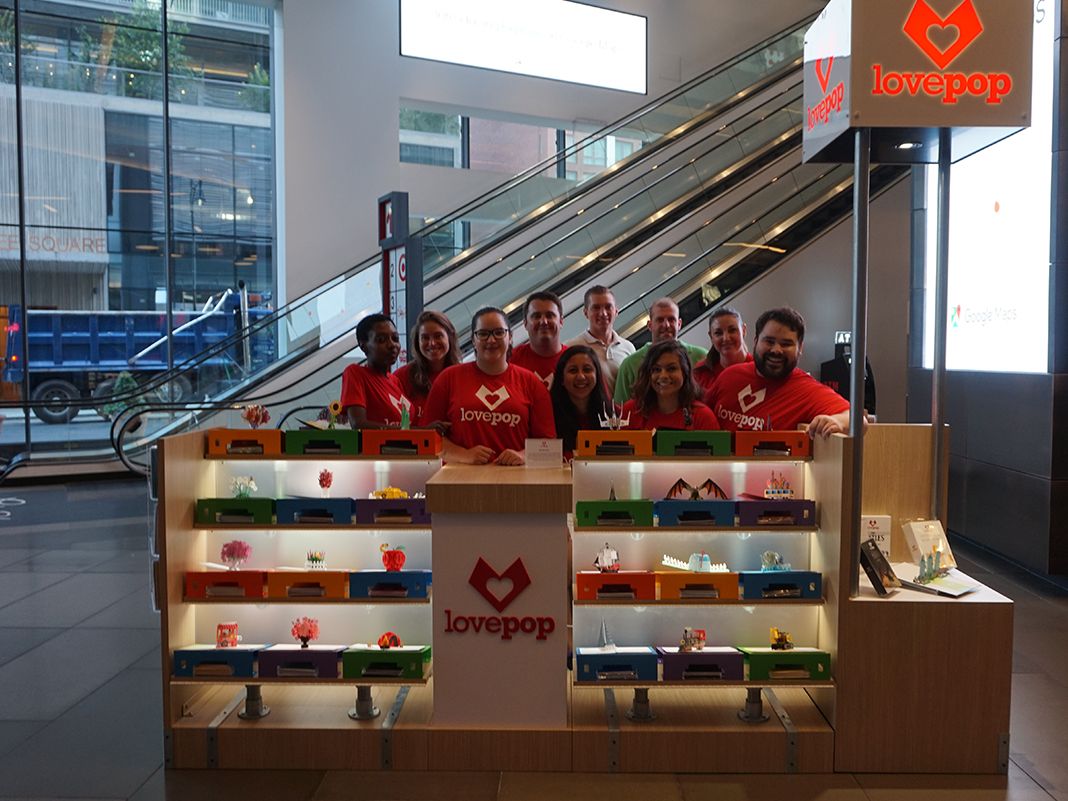
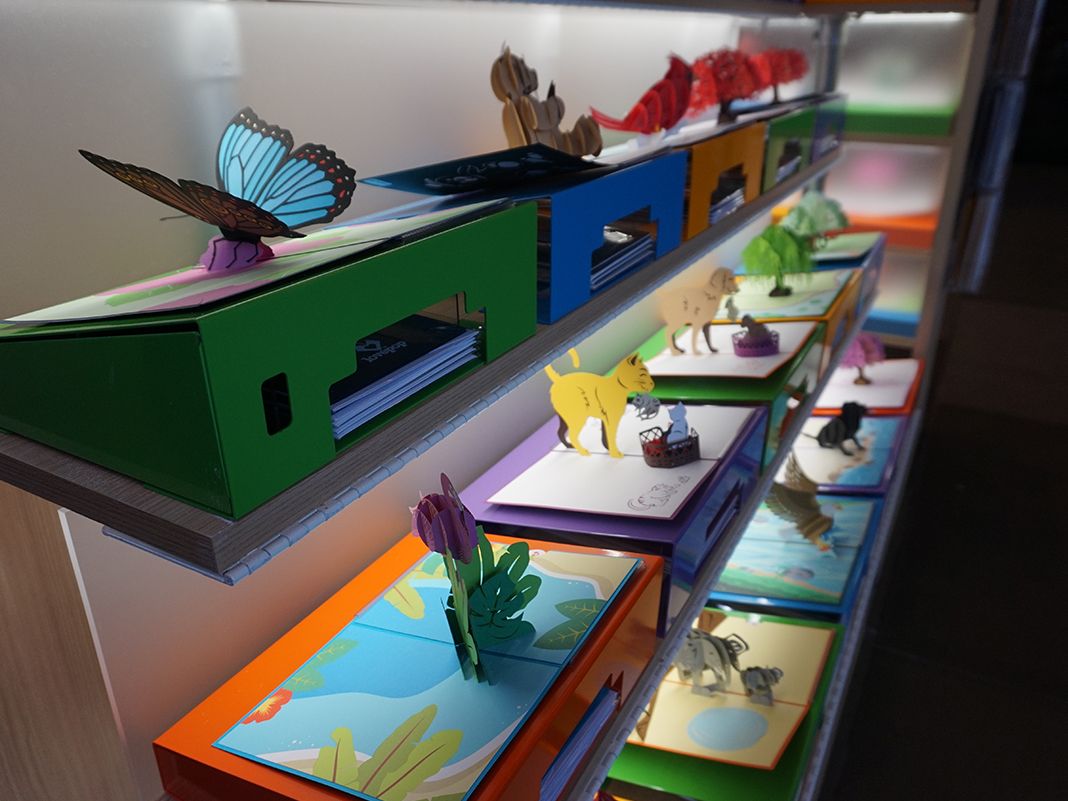
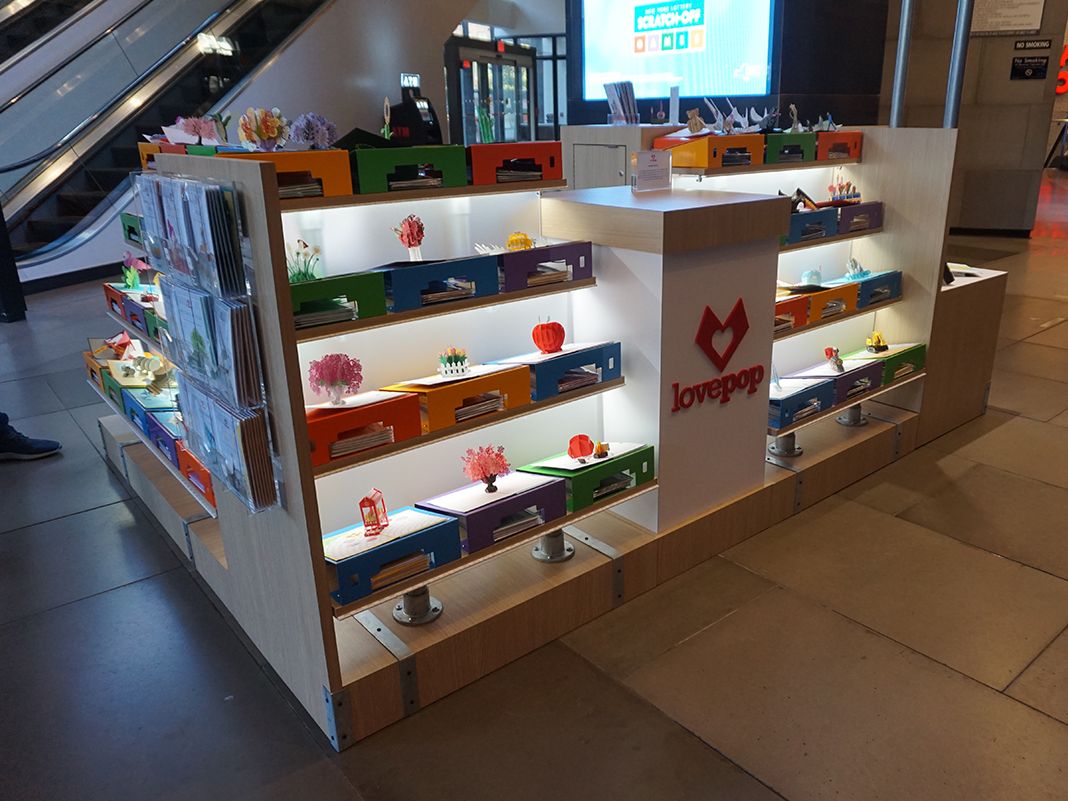
A great example of shopper-first design in action is our work with Lovepop, creating unexpected delight with colorful, bright product presentations that stop passers-by and create a memorable moment right at the point of purchase.
Element 2: Strategic Footprint & Positioning
In firearms retail, counter space is prime real estate. A display that dominates without delivering will disappear from the counter quickly.
The most important factor is size. Can retail staff see over and around the display easily, or does it hinder sightlines? Is it a useful tool for the store team? Does it generate interest from shoppers? A counter display that isn't accomplishing the core goal of retail --driving sales!-- won't stay on the floor.
Many of our counter displays include a secondary graphic on the back panel focused entirely on providing education and talking points for staff, making the display as useful for the team selling the product as it is for the shopper considering it. They can also serve as interrupters, getting a shopper to consider a product they hadn't before, even one completely different from what they may have intended to buy.
.jpg?width=1200&length=1200&name=Kimber_Freestanding_v1LR%20(1).jpg)

For Kimber's Pepper Blaster, we gave dealers the choice between freestanding and counter displays. The freestanding option has a small footprint but still merchandises one complete case of product, so there are no leftover units that can't be merchandised on the display and risk getting lost. The counter display is sized to not hinder visibility for the salespeople behind the counter or for shoppers looking down into the showcase.
Element 3: Durability & Retail-Ready Engineering
Being successful in retail environments requires understanding of the full picture. Between shipping, assembly, daily shopper interaction, and long-term wear, a display has to be built for the real world from day one.
Material choice matters at every level: selecting the right substrate, determining proper thickness, and specifying security tethers or locking bars that keep demo product exactly where it should be. These aren't afterthoughts. They're decisions made early in the design process.
The right display also accounts for shipping and assembly. A display that can't be built when it arrives at the store will end up in a backroom or a dumpster. Many displays ship KD (knock down) to be assembled at the store. That means detailed setup instructions with pictures, the right hardware, and packaging engineered to protect the display in transit. Protective corners, air cells, foam spacers, and the correct carton thickness all factor into whether a display arrives intact.
We test our packaging early in the manufacturing process, including shipping displays back and forth to multiple locations and putting cartons through what we call the "angry delivery driver" test: throwing them off loading docks, flipping them through the air, and dropping them on corners, to make sure the production run gets to the field flawlessly.
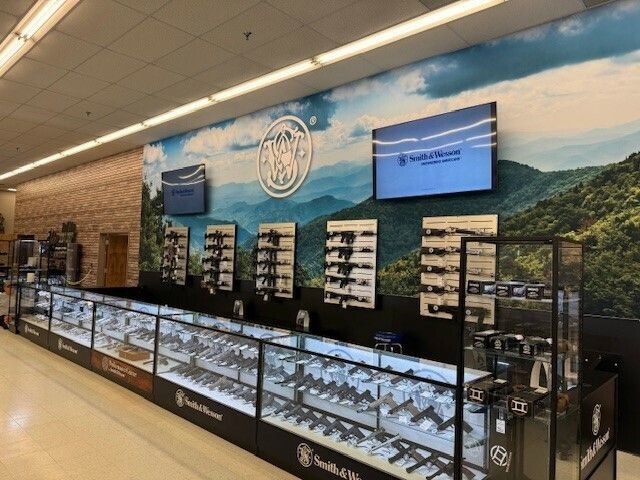
For Trijicon's night sight display and Smith & Wesson's M&P Grip Sizer, we built in-store demos that let shoppers get hands-on with product simulations in ways they never could before. For Boral, the display ships fully assembled with product samples pre-mounted, out of the box and ready to go.
Element 4: Brand Consistency at Scale
A single great display is proof of concept. A rollout is a system.
Whether a brand is going into 10 locations or 10,000, the display has to deliver the same brand experience in every space, regardless of who installs it, how it ships, or what the retail environment looks like at each location. That requires thoughtful engineering, repeatable packing systems, and installation support that scales without breaking down.
.jpg?width=1238&height=1650&name=Kimber_Freestanding_v1LR%20(1).jpg)
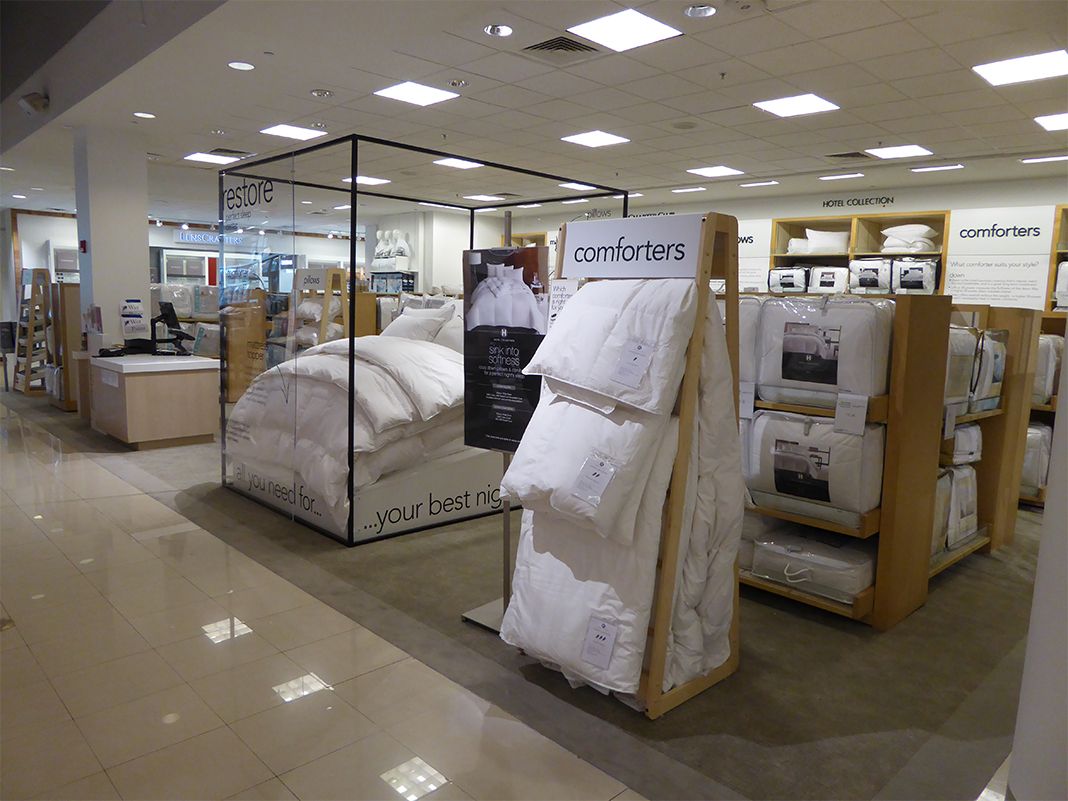
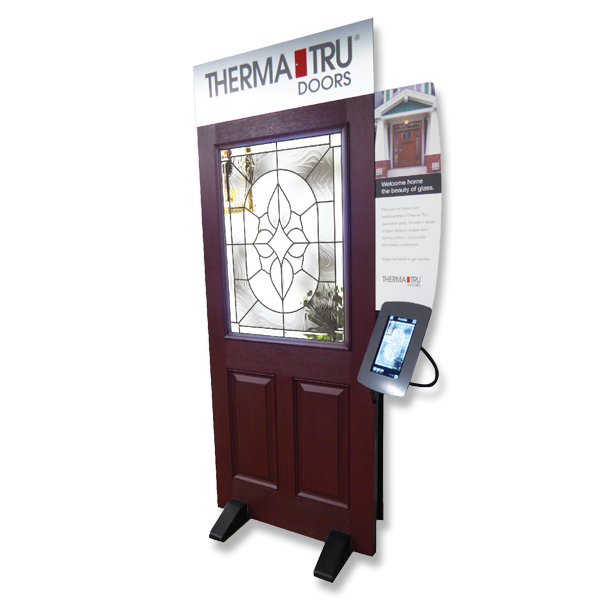
The Therma-Tru Interactive glass display is live in 2,000 showrooms nationwide. Smith & Wesson and Kimber each have displays in over 1,000 stores. Macy's metro cart toppers reached 250 stores each. At that scale, consistency isn't a preference. It's what 56 years of experience delivers, and what our clients' count on.
Leave a Reply