

Months before SEMA or PRI ever open its doors, automotive aftermarket and performance brands have already made one of the biggest marketing investments of the year: a spot on the show floor. And every year, after the show, in a budget meeting somewhere, someone asks the question that's harder to answer than it should be: was it worth it?
For a lot of exhibitors, the honest answer is "we don't actually know." Not because the show failed. Because there was never a plan for what "working" was supposed to look like in the first place. So when leads scanned, or orders written, come up short, the show gets blamed, and the budget gets cut.
Before that happens to your booth, it's worth looking at what's actually going wrong, and what "measuring success" should really mean at a show like SEMA or PRI.
The booth problems we see every year
You're still running the booth from the 70s.
Not literally, of course. A lot of exhibitors reuse the same structure, graphics, and layout year after year and expect a different result. Meanwhile, the brands around you are investing in a fresh presence every cycle. Standing still at such a competitive show reads as standing still as a company.
Your brand got absorbed and lost its shape.
Acquisitions move fast in this industry right now. A brand with real recognition gets folded into a parent company or an umbrella group, and the booth ends up representing the acquiring entity instead of the name your buyers actually know. The result is a crowd of people who trusted your brand walking right past it without realizing it's you.
Your message is either too broad or too narrow.
"We make parts for everything" tells a walker nothing. "We make oil filters for one specific model year" tells them almost as little. The booths that stop traffic say exactly who they're for and what problem they solve, in the time it takes to walk by.
Your feature vehicle is doing all the work, and none of it is for you.
A showstopping build draws a crowd and thousands of phone cameras. If your logo isn't in the shot, your brand isn't in the story. Sightlines, signage placement, and where people naturally stand to take a photo all matter more than most exhibitors plan for.
Any one of these is fixable. But even a flawless booth won't save you if the bigger issue is upstream: nobody agreed on how to measure whether the show worked.
The real problem: you don't have a plan for ROI
This is the one that costs teams their show budget the fastest. SEMA and PRI are not order-writing shows. Almost nobody walks the floor and signs a purchase order on the spot. That's not a flaw in the show; it's the nature of the show. It's built for brand visibility, relationship building, and industry connection, not transactional selling.
So when a team measures success only by leads scanned and orders written, they're grading the show on a test it was never built to take. The numbers come up short, the show looks like a bad investment, and the budget gets cut the following year. Meanwhile, the actual problem, which could be booth staff performance, booth staff training, or whether this was even the right show for the audience, never gets evaluated at all.
If you want a real answer to "was it worth it," you need to define what you're tracking before the show, not after.
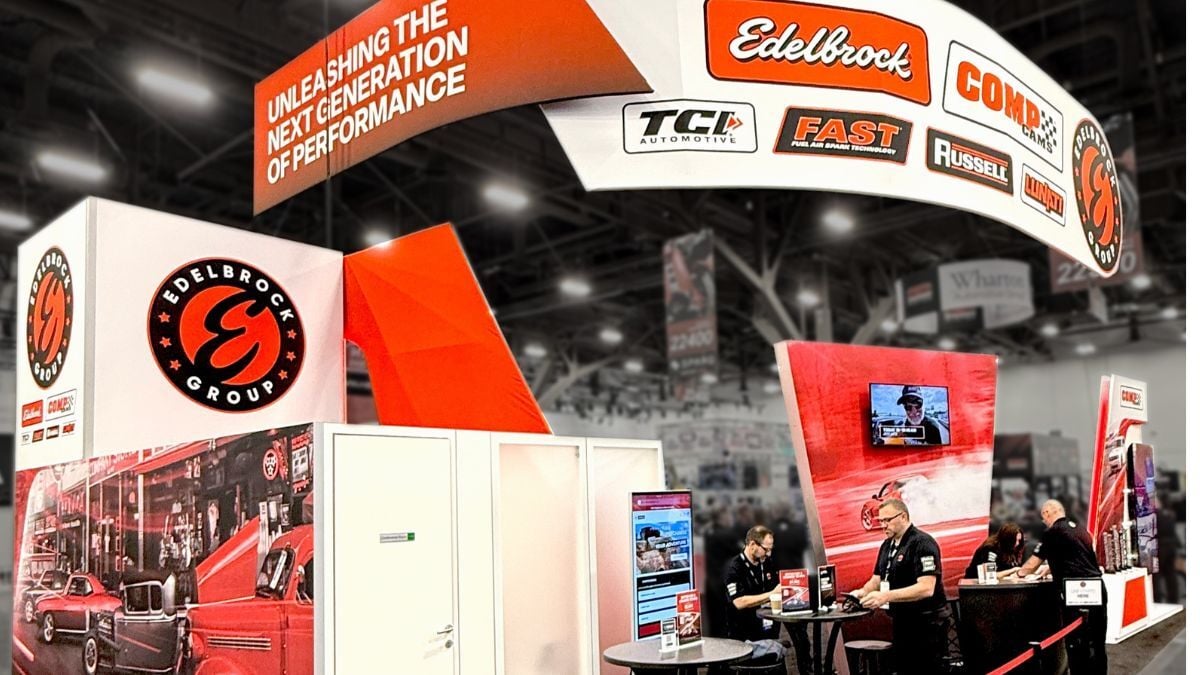
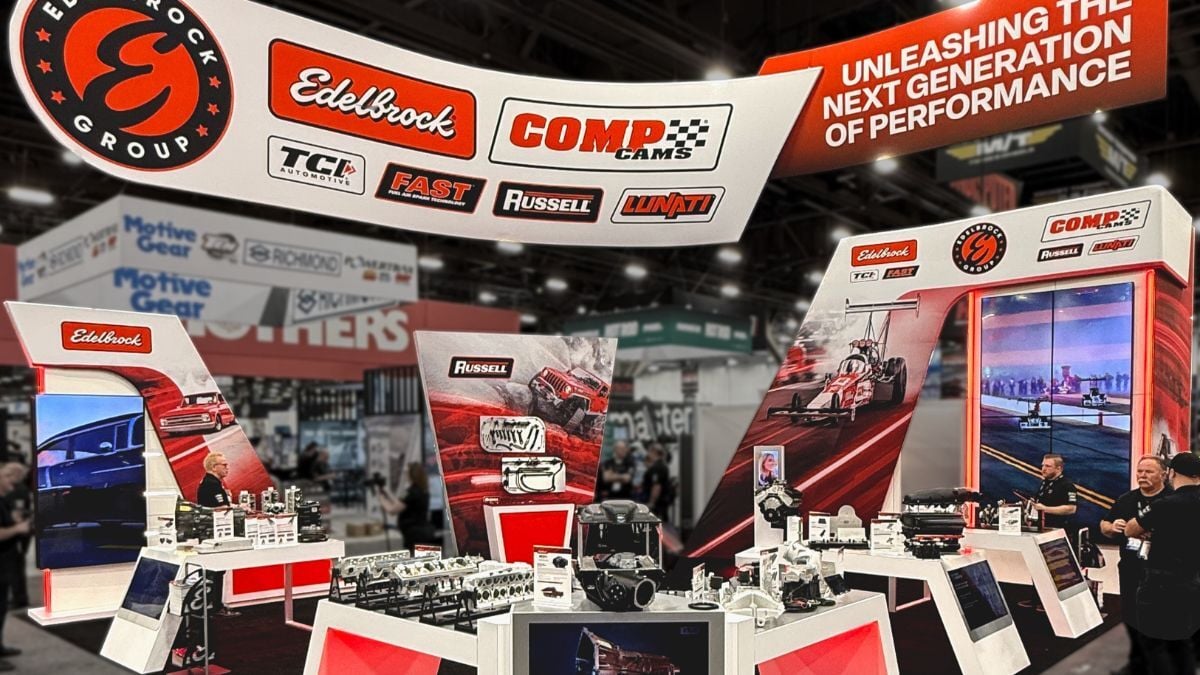
What actually counts as ROI at a show like this: 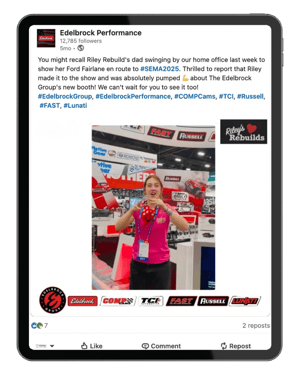
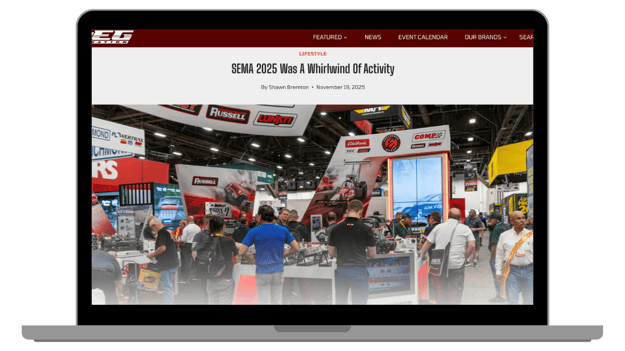
- Content generated before, during, and after the show. Attendee photos and posts, your own team's content, and coverage from media walking the floor all carry value far beyond the show hours, even without a dollar figure attached to each one.
- Meetings with industry influencers and press. A conversation with someone who reaches your buyers at scale can be worth more than a scanned badge.
- Editorial mentions and coverage. Trade publication write-ups and post-show roundups extend your reach well past the show floor.
- Cost per meaningful conversation. Compare what it costs to have a real conversation with a prospect at the show against what it costs to get that same conversation on the road. The math usually favors the show.
- Booth staff performance. How well your team engaged, qualified, and followed up matters more than the traffic count. The same booth with a better-trained team can produce a completely different outcome.
None of this shows up in a leads-scanned report. All of it belongs in the plan you build before you ever get to the show.
Build the plan before the show, not the postmortem after
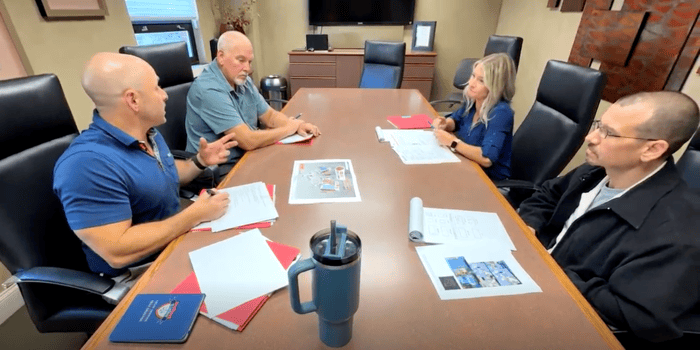
The teams who walk away from SEMA and PRI able to defend next year's budget are the ones who decided, before the show, what they were going to track and why. That's the difference between a show that "didn't work" and a show that worked exactly as intended, for reasons the spreadsheet wasn't built to catch.
The Bottom Line
If your exhibit hasn't been reevaluated in a few cycles, or you've never been able to give a straight answer about what last year's show actually delivered, don't wait until you're back on the floor to find out. Send us your current booth, and we'll walk through it with you, free of charge, and tell you exactly where it's working and where it's costing you. We’ve got your back.
And if you're attending SEMA or PRI, even better - the PFI Team has been traveling to support clients at these shows for 15+ years. Find some time on our calendar; we'd love to meet up in person!
Leave a Reply