

Your booth works at your domestic shows. Your team knows the layout, your exhibit partner knows your brand, and the details mostly take care of themselves. Then the show moves to Europe, and every detail you’ve stopped thinking about becomes a question.
Who builds the booth? Will it still look like you? How do you explain your brand to a team that has never seen it, in a different language, several time zones away?
The short answer: exhibiting overseas changes the measurements, the venue rules, the time zones, and the people building and coming to your booth. It doesn't have to change your brand. The key is a partner who already knows your brand and can speak for you to the team on the ground.
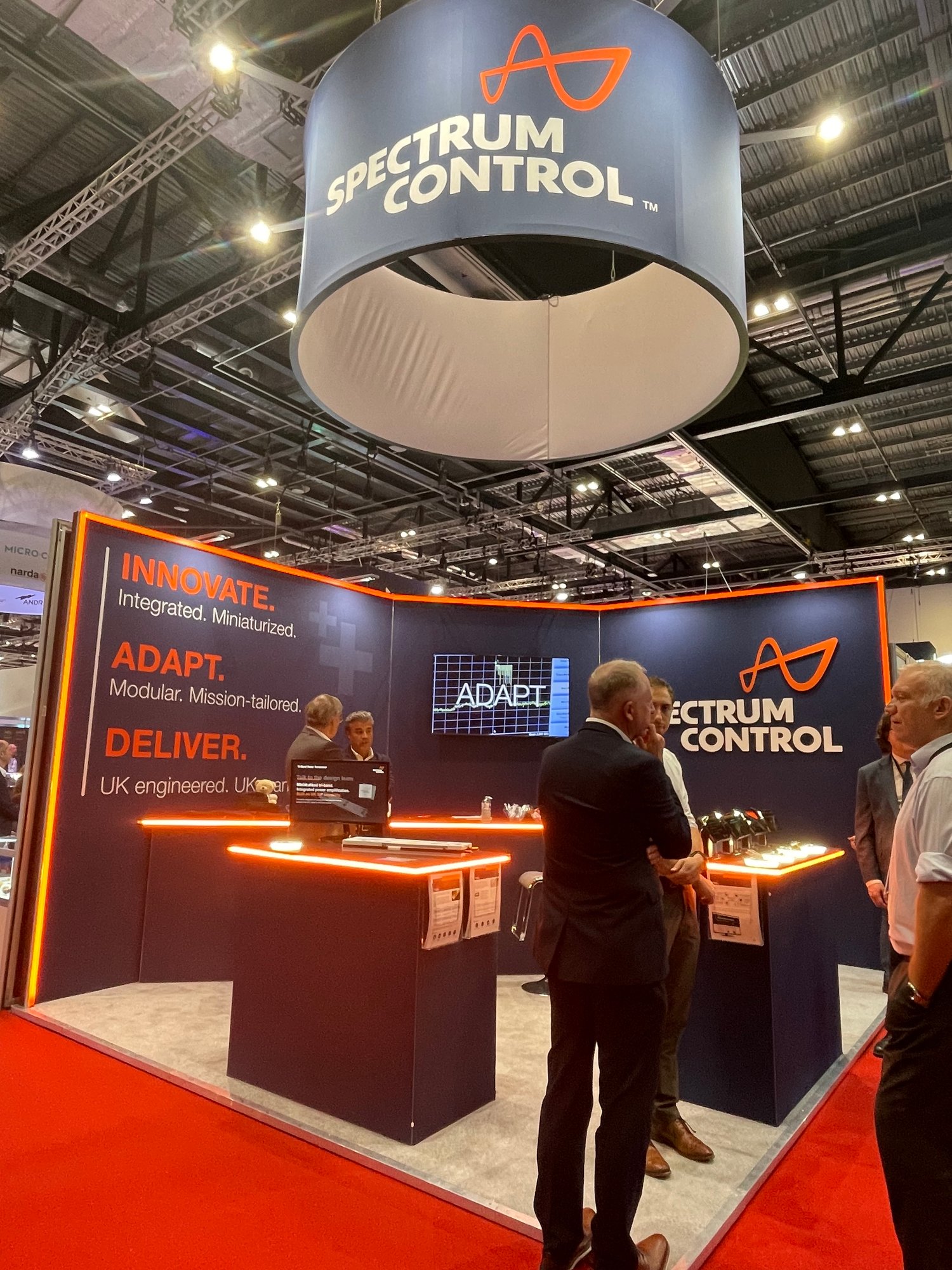
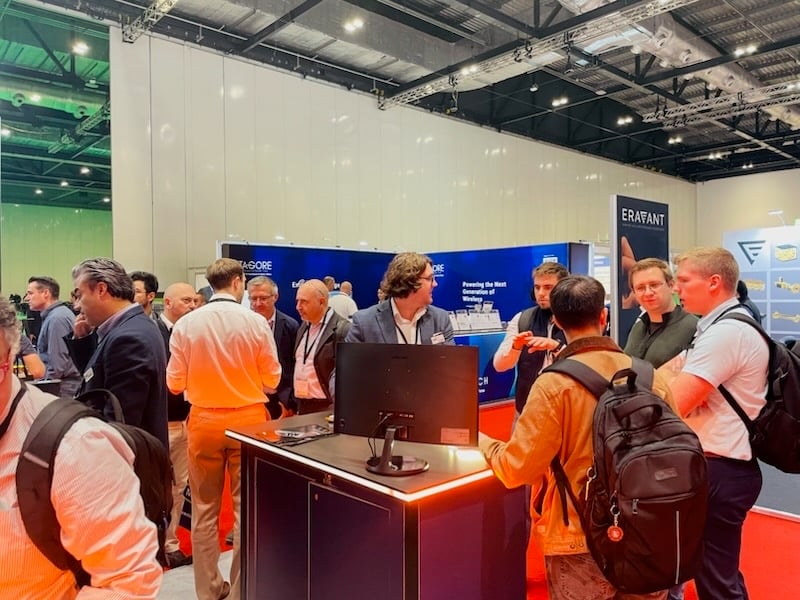
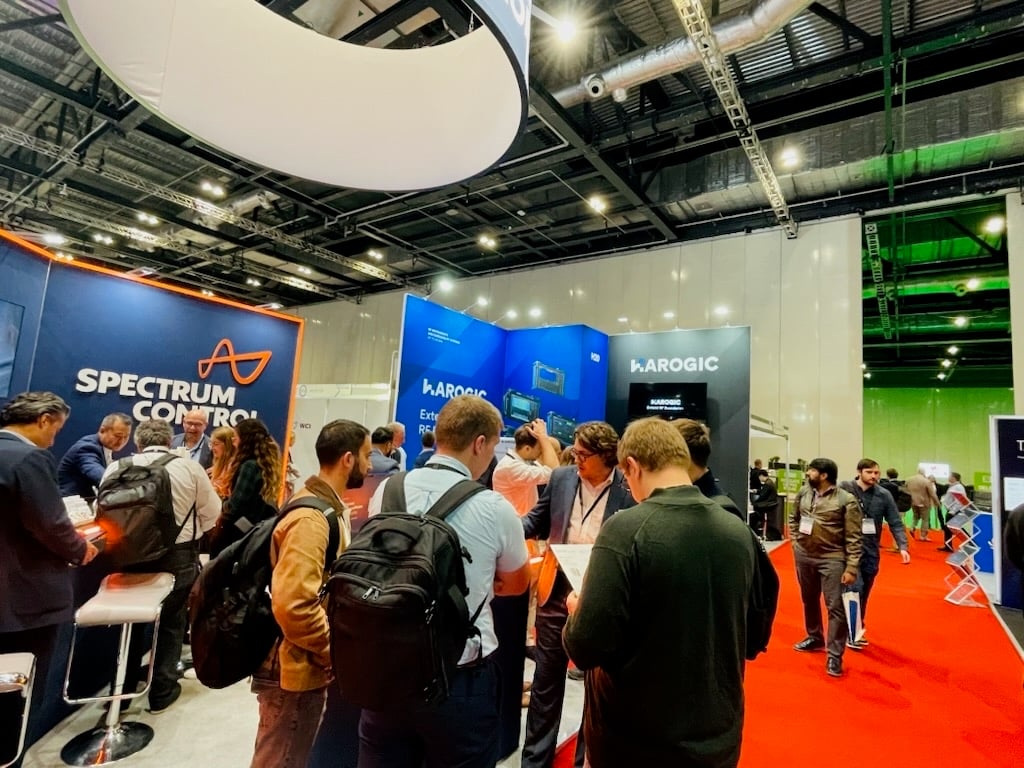
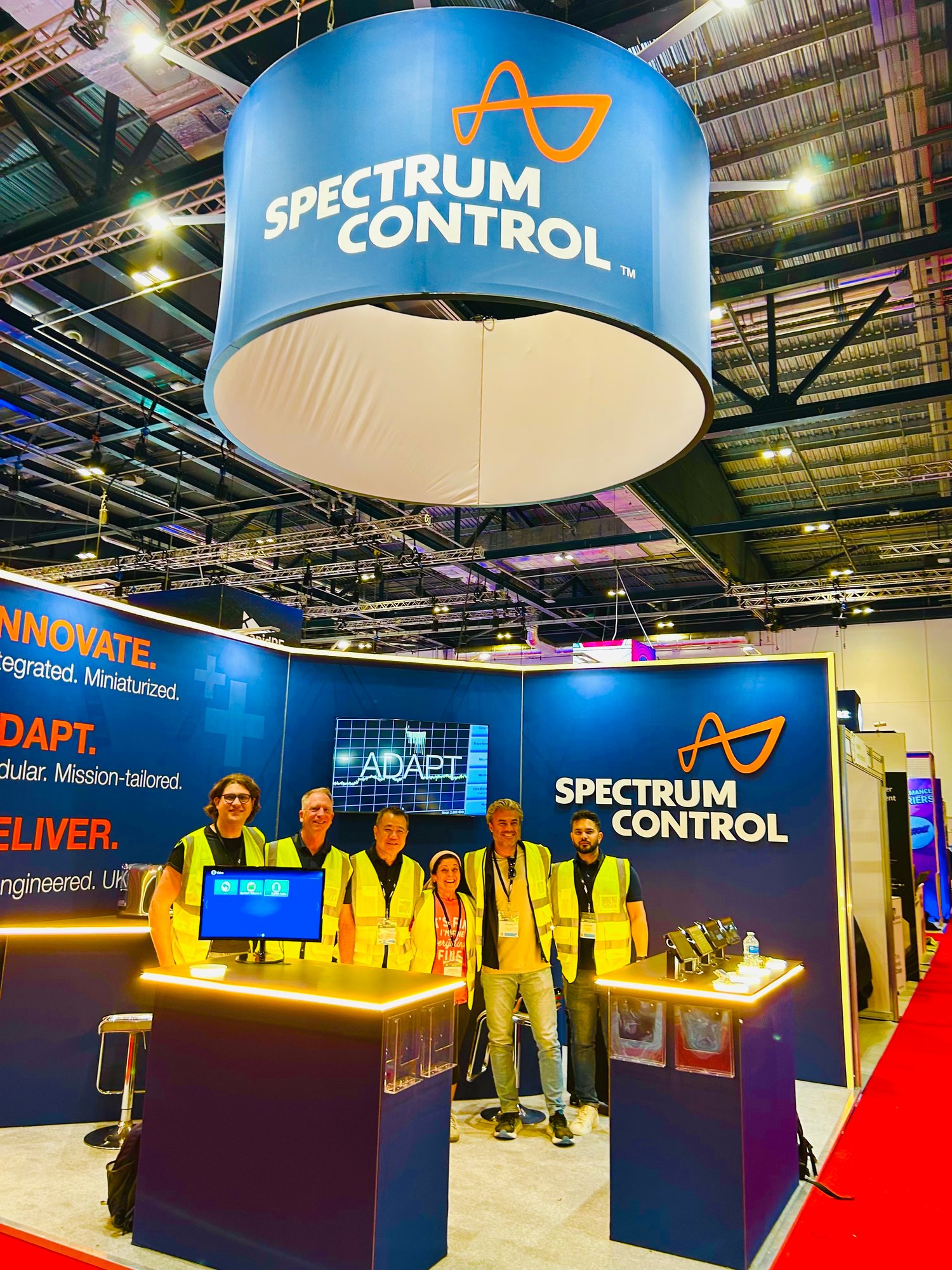
That's the role we played for a client at European Microwave Week (EuMW) 2026 in London. Here's what we learned along the way.
What changes when you exhibit at an international trade show?
Most of the change happens behind the scenes. The build team, measurement system, venue rules, and communication rhythm are all different. What shouldn't change is how your brand shows up on the floor.
For our clients, the biggest adjustments were the ones exhibitors ask us about most:
- Measurements. Drawings, graphics, and specs move from inches to metrics.
- Language. Brand standards and design intent have to be explained to a team and show audience that may not share your first language.
- Time zones. Design revisions and artwork approvals happen across a several-hour gap, so every handoff needs to be clear the first time.
None of these are obstacles you can’t plan around. They all have solutions, and most of them start with a single conversation before the show date gets close.
Do you need a local exhibit builder to exhibit overseas?
You'll likely want local hands to build and install your booth. That doesn't mean handing your brand to a stranger.
Before our client’s show, our team had met with and interviewed several international exhibit houses face to face. We work alongside trusted international build partners and act as our client’s voice throughout the project - managing design revisions, coordinating artwork, and making sure the build matches the brand the client’s audience already knows.
The client gets one point of contact who already knows their brand, their exhibit, and their standards. The local partner gets clear direction from someone who can answer their questions quickly. Everyone moves faster, and nothing gets lost in translation.
Can PFI help you exhibit internationally?
Yes. PFI can be your one partner in the US and overseas, coordinating with trusted build partners on the ground, so your brand arrives intact.
How do metric specs and venue rules affect how you exhibit?
More than you’d expect, and earlier in the process than most brands anticipate.
Dimensions are one of the most common sticking points. A spec that's second nature in inches can confuse when someone unfamiliar with the original design converts it to metrics. Having one partner own the conversion and check it against the original intent keeps small errors from becoming surprises on site.
Venue and organizer rules vary by show and by country. The takeaway is simple: confirm the show's rules early and make sure your build partner is designing to them from the start.
How do you keep your brand consistent across international shows?
Start with your strongest US assets and adapt them for the new audience, rather than starting over.
This is something we hear about often. One brand shared that their exhibits look very different in Asia than they do in Europe, and they want a more consistent global presence going forward. That’s a solvable problem, and it starts with having one partner who owns the brand standard across every market.
For another PFI client, consistency meant carrying over the look their audience already recognizes and bringing key hands-on brand exploration features to a new country - LED accent lighting, tablets that walk visitors through products, and content adapted for the European market. Same brand, built to the same standard, on the other side of the world.
What's the most common problem when coordinating an international exhibit?
Working with someone who doesn't know your company or your brand. Language barriers, time differences, and unfamiliar dimensions all get harder when the person on the other end is starting from zero.
That's where a US partner who already knows your brand makes the difference. Instead of educating a new vendor from scratch, you have a team that speaks for you, catches issues early, and follows through until you're ready to go.
Thinking about exhibiting overseas? We've got you covered.
For 55+ years, PFI Displays has helped brands show up confidently on the show floor. As a family-owned company in Ohio, we bring the same communication and follow-through to an international show that we bring to every domestic one.
If an international show is on your 2027 calendar, let's get it moving early. Schedule a call with Vince.
Leave a Reply